BYT Electronics Lab / Year 1 Sensor Network
Build real advanced electronics. One box at a time.
A year of connected RF and sensing builds. Six projects, three boxes, one sensor network. Each build ends in a portfolio piece.
Join the waitlistOpen the box
Pick a box to open it. Drag to look around.

3D view of the selected kit box. Its lid opens and the box's two projects rise out of the foam insert and slowly turn. Showing BOX 1 / LINK: Core Mesh Node and HUD Monocle.
Core Mesh Node
A belt-worn LoRa mesh node for texting and team positions with no cell service.
HUD Monocle
A one-eye heads-up display on clear glasses, fed by the Core.
Six builds, one network
Sense it, share it, see it.
BOX 2 / SENSE
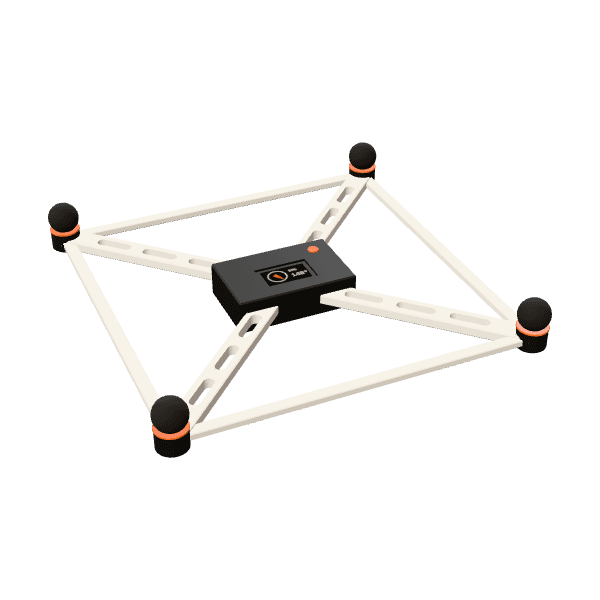
03
Acoustic Array
Hears where a sound is
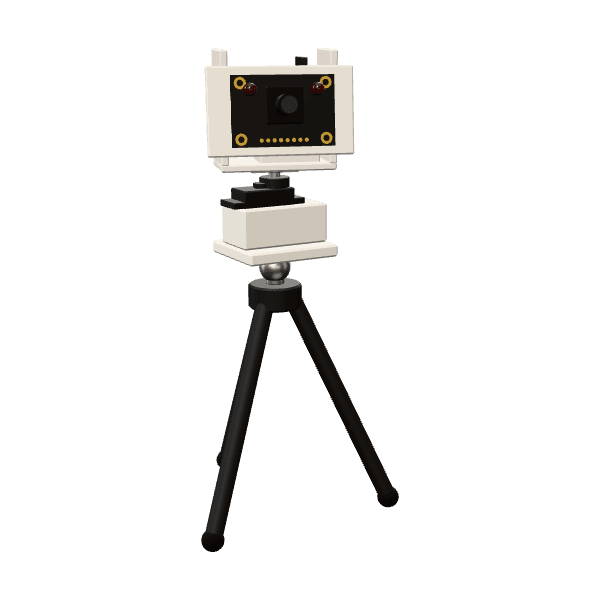
04
Pan-Tilt Vision
Turns to look
BOX 3 / SIGNAL
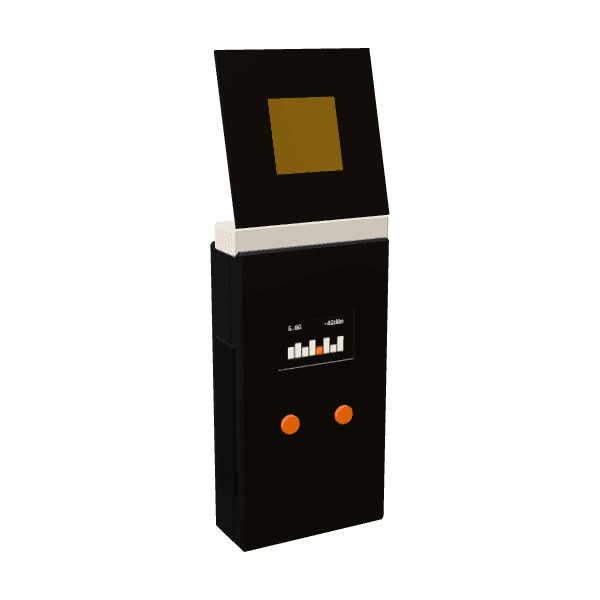
05
5.8 GHz RF Finder
Spots 5.8 GHz signals
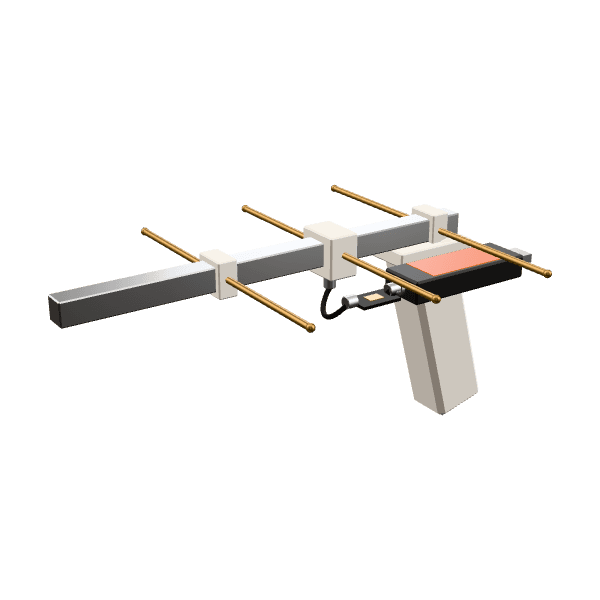
06
RF Direction Finder
Finds a radio's direction
BOX 1 / LINK
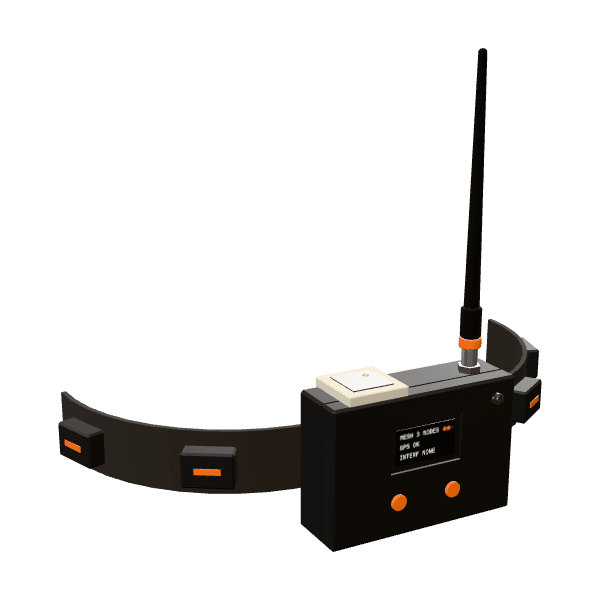
01
Core Mesh Node
Relays everything
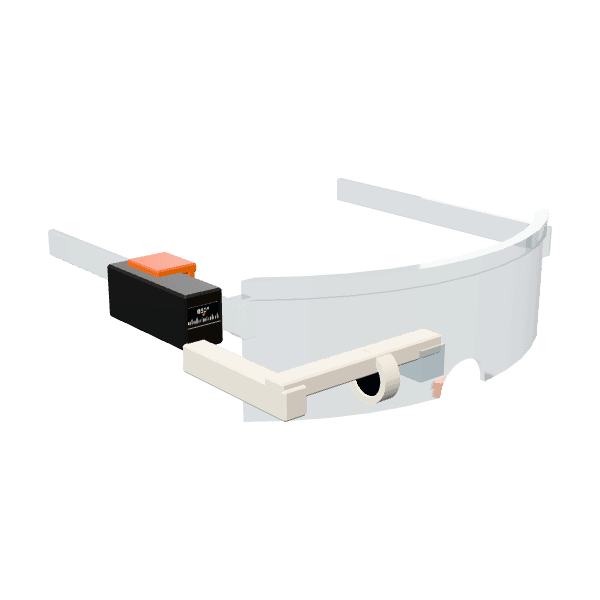
02
HUD Monocle
Shows it in your eye
- Sense. Four units hear, look and scan: sounds, faces, 5.8 GHz video links and radio bearings. The radios only receive.
- Share. The Core sends every detection over its LoRa mesh. No cell service needed.
- See. The Monocle shows it in front of your eye, with messages and teammate positions.
Bonus builds
From parts members already own:
- Head-tracked camera
- Sound-following camera
- Digital periscope
- Night-vision viewer
- Auto-scanning direction finder
- Perimeter monitor
Every build ends in a portfolio piece.
- Skeleton code with the key algorithm left for you to write
- A measurement lab with target numbers
- A modify-the-PCB step
- A write-up template that becomes your GitHub README and resume bullet
The portfolio hardware recruiters ask about.
Acoustic Array: sound bearing from four synchronized mics
Founding members
The first production run is small. Founding members get:
- Box 1 ships to you first
- Your rankings decide the order of Box 2 and Box 3
- Members-only Discord office hours
Join the waitlist
Five quick steps. Your project ranking decides what ships after Box 1.
FAQ
Who is it for?
US engineering students and early-career engineers, including software people moving into hardware, who want portfolio-grade hardware projects.
Do I need to solder?
TODO(soldering: how much soldering each box needs, and whether any parts come pre-assembled)
What else do I need?
A laptop. TODO(tools: anything else, e.g. a soldering iron or multimeter)
Where do you ship?
US only for the founding run.
Is it legal?
Yes. The 5.8 GHz RF Finder, the RF Direction Finder and the Acoustic Array's Remote ID scanner are receive-only. The only transmitters in the kits are pre-certified LoRa, Wi-Fi and Bluetooth modules.
How long does each build take?
Estimated build times (EE student / new to hardware): Core Mesh Node 8–12 h / 15–25 h, HUD Monocle 4–6 h / 6–10 h, Acoustic Array 12–20 h / 20–40 h, Pan-Tilt Vision 5–8 h / 8–14 h, 5.8 GHz RF Finder 3–5 h / 5–8 h, RF Direction Finder 4–8 h / 6–12 h.
Is there an age limit?
Yes, 18+.
When does it ship?
TODO(ship date)